
52100, 100Cr6, SUJ2 and GCr15 Bearing Steel Bars
Short Answer for Bearing Steel Bar Buyers
Junxiong Metal can review bearing-steel bar enquiries using SAE 52100, 100Cr6, SUJ2 or GCr15 specification terms. Buyers should state the governing standard and edition, shape, finished size, delivery condition, hardness, cleanliness and microstructure requirements, decarburization limit, surface condition, quantity, destination and MTC scope.
These designations are frequently compared across American, European, Japanese and Chinese markets, but they are not one universal specification. The purchase order must control the accepted standard, chemistry, cleanliness, carbide condition, spheroidization or other delivery condition, surface quality and inspection route.
Send a complete bearing-steel bar RFQ or send the grade, standard, shape, size, condition and quantity by WhatsApp.
Representative Cold Drawn Round Bar Images
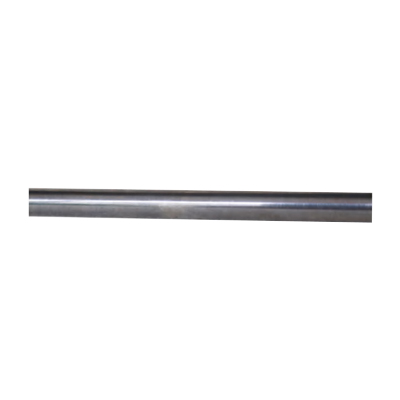
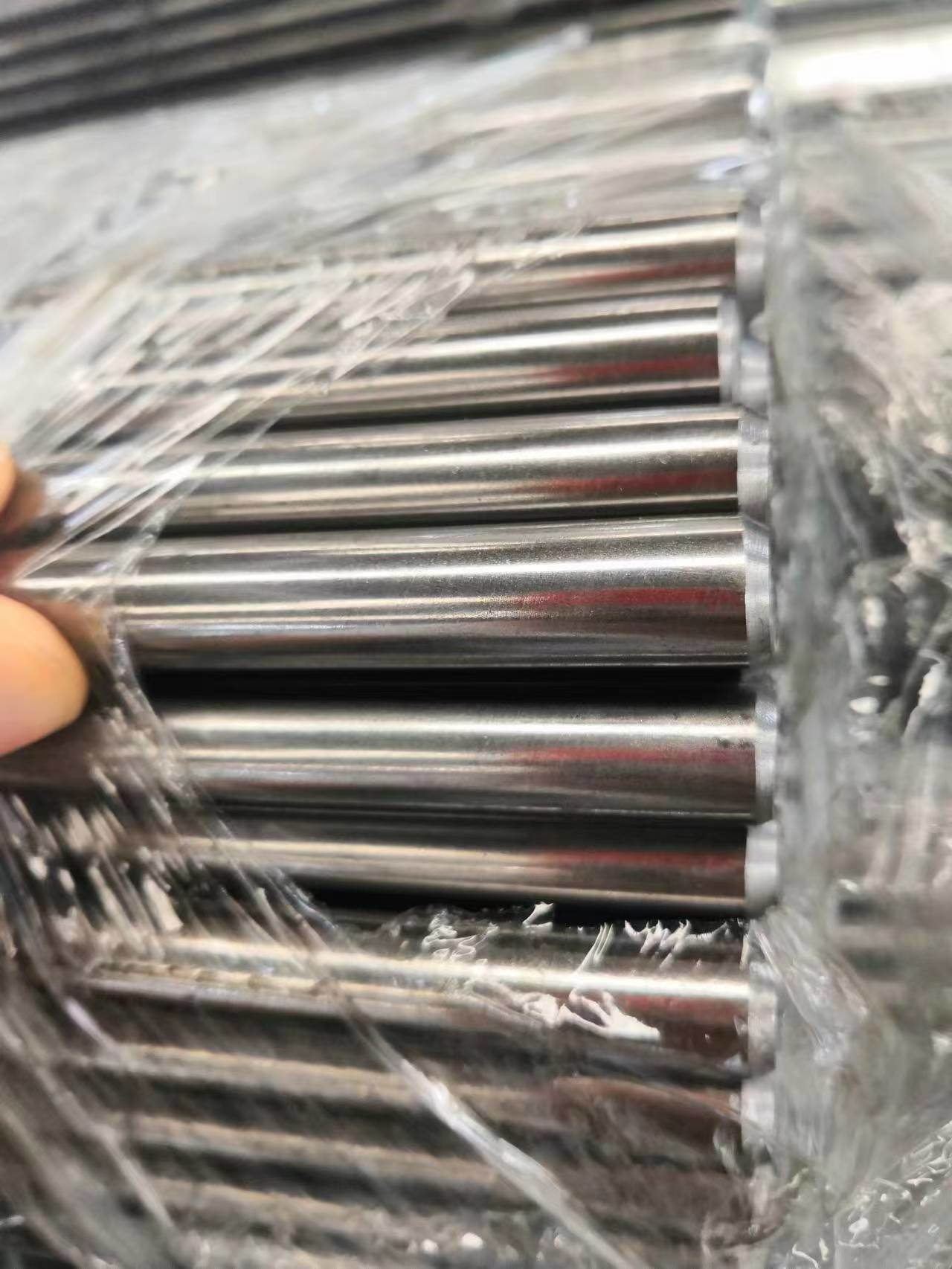
Image boundary: bearing-steel grade cannot be verified from appearance. These Junxiong images show a relevant cold-drawn round-bar form only and are not presented as grade, heat, microstructure, hardness or batch evidence.
Supply Scope and Evidence Boundary
Junxiong has confirmed commercial supply capability for this bearing-steel family. This does not guarantee every designation, section, condition or metallurgical requirement. Exact feasibility is reviewed against the buyer’s standard, dimensions, delivery condition, quality controls, quantity and destination.
Evidence boundary: internal GCr15 records are not relabelled as 52100, 100Cr6 or SUJ2 certificates. A supply statement or representative photograph is not a shipment record, current-stock declaration, heat certificate or finished-batch inspection report. Matching order and batch documents are required before paid traffic is directed to this page.
Do Not Approve Bearing Steel by Alias Alone
| Search or specification term | Reference route | What the buyer must verify |
|---|---|---|
| SAE 52100 | American grade terminology used with the buyer’s specified ASTM, SAE or order requirements. | Grade, product specification, chemistry, annealed or other condition, cleanliness, carbide controls, decarburization, surface and supplementary tests. |
| 100Cr6 / 1.3505 | European and ISO-related terminology; the purchase order must name the governing standard and edition. | Product form, delivery condition, hardness, microstructure, cleanliness, dimensions and inspection scope. |
| SUJ2 | Japanese designation controlled by the buyer’s stated JIS G 4805 edition and order requirements. | Chemistry, condition, hardness, decarburization, surface, dimensions and any bearing-specific quality controls. |
| GCr15 | Chinese designation controlled by GB/T 18254 or the buyer-approved specification. | Exact product stage, condition, metallurgical controls, dimensions, heat traceability and MTC. |
Comparison rule: a standards table or mill list of similar designations supports inquiry routing, not automatic substitution. Written buyer approval controls any change of standard or designation.
Technical Facts Buyers Must Confirm
| Decision | Required RFQ information |
|---|---|
| Grade route | 52100, 100Cr6, 1.3505, SUJ2, GCr15 or another buyer-approved bearing-steel designation, plus the governing standard and edition. |
| Material condition | State spheroidize-annealed, cold-finished or another explicitly approved condition, including hardness range where applicable. |
| Metallurgical controls | State cleanliness, inclusions, carbide size or network, spheroidization, microstructure, decarburization and macrostructure requirements as applicable. |
| Dimensions | Finished size, tolerance, straightness, twist or corner form, surface condition, machining allowance and length tolerance. |
| Inspection | Heat identity, MTC type, chemistry, hardness and any specified metallographic, ultrasonic or third-party inspection. |
| Commercial data | Quantity per size, repeat demand, packing, destination country, port and required delivery schedule. |
Shape and RFQ Selection
| Shape | Buyer must state | Factory review |
|---|---|---|
| Round bar | Diameter, tolerance, straightness, surface, length and machining or later heat-treatment requirements. | Starting material, reduction route, condition, inspection, MOQ and schedule are reviewed for the exact grade-size-condition combination. |
| Square bar | Side size, tolerance, corner radius, twist, straightness and length. | Starting material, reduction route, condition, inspection, MOQ and schedule are reviewed for the exact grade-size-condition combination. |
| Flat bar | Width, thickness, edge condition, flatness, straightness and length. | Starting material, reduction route, condition, inspection, MOQ and schedule are reviewed for the exact grade-size-condition combination. |
| Hexagonal bar | Across-flats size, tolerance, corner form, twist, straightness and length. | Starting material, reduction route, condition, inspection, MOQ and schedule are reviewed for the exact grade-size-condition combination. |
| Custom profile | Dimensioned drawing, datums, critical tolerances, radii, annual demand and trial quantity. | Feasibility depends on starting material, section reduction, metallurgical controls, tooling, inspection and order quantity. |
Standards and Primary Reference Sources
- ASTM A295/A295M-14(2020): active ASTM specification route for high-carbon anti-friction bearing steel, including order-controlled chemistry, dimensions, decarburization, surface and annealed microstructure requirements.
- ISO 683-17:2023: current ISO technical-delivery route for ball and roller bearing steels, including through-hardening bearing steels.
- JIS G 4805:2025: current Japanese standard route for high-carbon chromium bearing steels; SUJ2 requirements must follow the ordered edition.
- GB/T 18254-2016: current Chinese national standard route for high-carbon chromium bearing steel.
- Ovako 100Cr6 material data: mill reference listing similar international designations; it does not make every standard, condition or product route interchangeable.
- Daido Steel SUJ2 product data: producer reference for SUJ2 terminology and representative composition in a strip-product context.
Reference boundary: standards-publisher and mill pages support terminology and buyer verification. They are not Junxiong heat certificates and do not prove that every designation, product form or delivery condition is interchangeable.
Buyer Checklist Before Quotation
- Exact grade designation, governing standard and standard edition.
- Shape, finished dimensions and machining allowance.
- Dimensional tolerance, straightness, twist, corner form and length.
- Delivery and heat-treatment condition, including required hardness.
- Surface condition, decarburization and defect limits.
- Cleanliness, inclusion, carbide, spheroidization, microstructure and supplementary inspection requirements.
- MTC, heat traceability and third-party inspection requirements.
- Quantity per size, repeat demand, destination, schedule and packing.
FAQ for Bearing Steel Bar Buyers
Can Junxiong review 52100, 100Cr6, SUJ2 or GCr15 bar enquiries?
Yes. Send the governing standard, shape, size, condition, hardness, metallurgical and inspection requirements, quantity and destination for feasibility review.
Are 52100, 100Cr6, SUJ2 and GCr15 automatically interchangeable?
No. They are useful comparison and search terms, but each order must be checked against the approved standard, chemistry, metallurgical controls, product form and delivery condition.
Why is spheroidize-annealed condition often specified?
Machining and subsequent heat treatment depend on the incoming carbide condition and hardness. The RFQ should state the required condition and acceptance criteria rather than assume them from a grade alias.
Can flat, square, hexagonal or custom bearing-steel sections be reviewed?
They can be reviewed, but feasibility depends on starting material, reduction route, condition, tolerances, metallurgical requirements, drawing and quantity.
What evidence is needed before approving a bearing-steel order?
Approve the governing standard, heat identity, MTC, delivery condition, chemistry, hardness and required metallurgical inspections. Representative photographs alone are not acceptance evidence.
Related Cold Drawn Steel Pages
- Cold drawn steel bars and RFQ guide
- Cold drawn round steel bar
- Cold drawn square steel bar
- Cold drawn flat steel bar
- Cold drawn hexagonal steel bar
- Custom cold drawn steel profiles
- Factory and quality verification
Send the complete 52100, 100Cr6, SUJ2 or GCr15 specification for factory review.