
16MnCr5, 20MnCr5, SAE 5120 and 20Cr Case-Hardening Steel Bars
Short Answer for Case-Hardening Steel Bar Buyers
Junxiong Metal can review and supply buyer-specified 16MnCr5, 20MnCr5, SAE 5120 and 20Cr steel bar enquiries in round, flat, square, hexagonal and drawing-based sections. A separate 20Cr4 / 1.7027 enquiry route is also available for factory review. Buyers should state the exact governing standard and edition, grade designation, product route, dimensions, tolerance, delivery condition, machining allowance, downstream carburizing requirements, quantity, destination and heat-specific MTC scope.
These names share a case-hardening procurement task but are not one universal grade or automatic substitutes. In particular, 20Cr4 is not the same designation as 20Cr, 20MnCr4 or 20MnCr5. The ordered standard, chemistry and hardenability route, incoming condition, section size, machining allowance, heat treatment and final case/core requirements control acceptance.
Send a complete case-hardening steel bar RFQ or send the standard, grade, shape, size, condition and quantity by WhatsApp.
Representative Junxiong Steel Bar Shapes
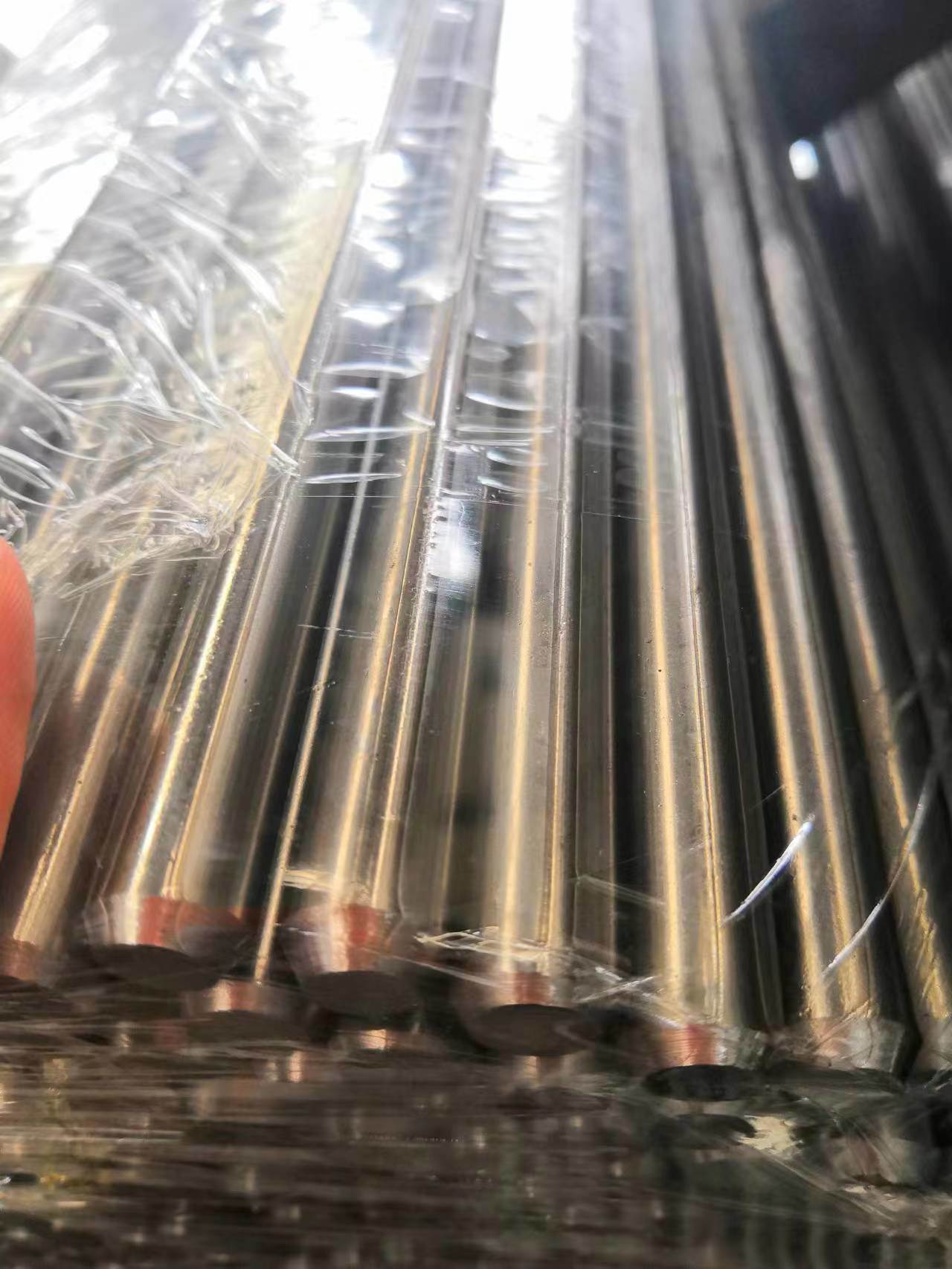
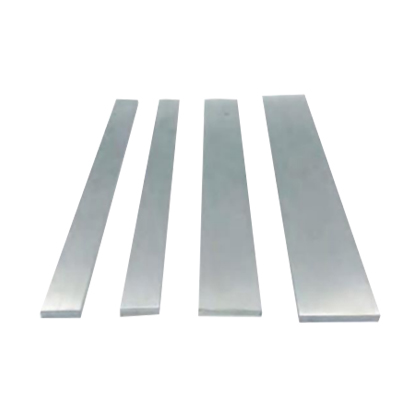
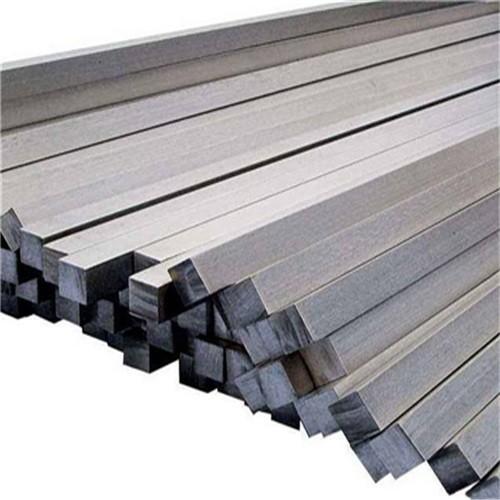
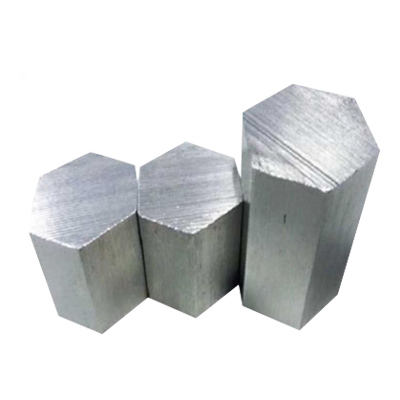
Image boundary: these owner-supplied Junxiong photographs show relevant bar shapes only. They are not grade, current-stock, shipment or batch evidence for 16MnCr5, 20MnCr5, SAE 5120, 20Cr or 20Cr4 / 1.7027.
Supply Scope and Evidence Boundary
Junxiong has confirmed commercial supply capability for buyer-specified case-hardening steel bar requirements in the listed grade routes. Factory feasibility is reviewed for the exact standard, grade, product route, shape, size, delivery condition, machining allowance, heat-treatment plan, required properties, quantity and destination.
Evidence boundary: this page does not publish a matching 16MnCr5, 20MnCr5, SAE 5120, 20Cr or 20Cr4 shipment, current-stock record or heat-specific MTC. Supply capability and representative photographs do not prove conformity of a future order. Batch acceptance requires the approved purchase specification, heat identity, matching MTC and agreed inspection results.
Four Separate Grade and Standard Routes
| Buyer search route | Correct sourcing treatment | Required control |
|---|---|---|
| 16MnCr5 / 1.7131 | Use the buyer-specified ISO, EN or customer route for this manganese-chromium case-hardening grade. | Exact standard and edition, condition, section, hardenability requirement, machining allowance, carburizing plan and MTC. |
| 20MnCr5 / 1.7147 | Separate ISO/EN manganese-chromium case-hardening route. | Do not infer interchangeability with 16MnCr5 or SAE 5120 from similar application language. |
| SAE 5120 | Separate SAE alloy-steel chemistry route under the buyer’s specified SAE and bar-product standards. | Exact SAE grade, cold-finished or other product route, condition, hardenability and batch evidence. |
| 20Cr | Separate Chinese alloy structural-steel route when GB/T 3077 or another buyer-approved document is ordered. | Do not convert 20Cr into an EN or SAE designation without written buyer approval and full standard review. |
| 20Cr4 / 1.7027 | Separate EN/ISO case-hardening route. The exact ordered product standard must identify whether hot-worked bar, bright product or another approved route is required. | Do not merge 20Cr4 with 20Cr, 20MnCr4, 20MnCr5, SAE 5120 or SCr420 from a search alias or comparison table. |
| Cross-market comparison | Producer comparison tables may help a buyer identify candidates, but they are not substitution approvals. | The purchase specification and heat-specific certificate remain controlling. |
20Cr4 / 1.7027 Case-Hardening Steel RFQ Route
Short answer: buyers searching for 20Cr4 steel can submit an RFQ under the exact 20Cr4 / material number 1.7027 designation. ISO 683-3 covers technical delivery requirements for case-hardening steels in product forms that include bars, while DIN EN ISO 683-7 is the current German adoption for bright products. Junxiong reviews the requested shape, size, delivery condition, machining allowance, carburizing plan, quantity and document scope before confirming feasibility.
| Control point | What the buyer must specify |
|---|---|
| Designation | Write 20Cr4 and 1.7027 together, then name the governing standard and edition on the enquiry and purchase order. |
| Product route | State hot-worked bar, bright/cold-finished product or another buyer-approved route. A grade name alone does not define surface condition, tolerance or delivery condition. |
| Shape and size | Requested round, flat, square, hexagonal or drawing-based section; finished dimensions, tolerances, length, straightness, edge/corner form and machining allowance. Shape-size feasibility is confirmed per RFQ. |
| Case-hardening duty | Incoming condition, machining sequence, carburizing process, required case depth, surface hardness and core-property criteria where applicable. |
| Acceptance evidence | Heat identity, MTC fields, chemistry, hardenability or supplementary testing, inspection plan and any third-party witness requirement. |
| Commercial scope | Quantity per size, trial and annual demand, destination country, packing and delivery schedule. This page does not claim current 20Cr4 stock. |
Designation boundary: SIJ Metal Ravne’s producer data identifies SIQUAL 7027 as 20Cr4 / 1.7027 and describes a case-hardening application. Its table also presents a US comparison designation, but that producer comparison is not Junxiong’s substitution approval. 20Cr4, SAE 5120, SCr420 and the other grades on this page remain separate order routes unless the buyer approves a documented standards comparison.
Technical Facts Buyers Must Confirm
| Decision | RFQ information required |
|---|---|
| Grade route | 16MnCr5, 20MnCr5, SAE 5120, 20Cr or 20Cr4 / 1.7027 with the governing ISO, EN, SAE, GB/T or buyer-approved specification and edition. |
| Product route | Cold drawn, bright drawn, turned/peeled, ground, hot wrought or another specified route. A chemistry designation alone does not define the finished bar. |
| Incoming condition | State untreated, annealed, normalized, ferritic-pearlitic, hardness-controlled or another agreed condition, including required hardness or hardenability data. |
| Dimensions | Shape, diameter or full section, tolerance, straightness, twist or flatness, corner/edge form, length and machining allowance. |
| Carburizing route | State the downstream process and required case depth, surface hardness, core hardness or core-property criteria where applicable. |
| Surface and decarburization | State surface-defect limits, machining stock and any decarburization or supplementary inspection requirements. |
| Traceability | Specify heat identity, MTC fields, chemistry, hardenability, grain-size or product-analysis requirements and any third-party inspection. |
| Commercial data | Quantity per size, trial and annual demand, packing, destination country, port and delivery schedule. |
Round Bar, Flat Bar, Square Bar, Hex Bar and Custom Sections
| Shape | Buyer must state | Factory review |
|---|---|---|
| Round bar | Exact grade, diameter, tolerance, straightness, surface, length, condition and machining allowance. | Starting material, reduction route, condition, inspection, MOQ and schedule for the exact grade-size combination. |
| Flat bar | Exact grade, width, thickness, edge condition, flatness, straightness, surface and length. | Feasibility depends on starting section, reduction, tooling, surface controls, condition and quantity. |
| Square bar | Exact grade, side size, tolerance, corner radius, twist, straightness, condition and length. | Feasibility depends on starting section, reduction, tooling, surface controls and quantity. |
| Hex bar | Exact grade, across-flats size, tolerance, corner form, twist, straightness, condition and length. | Feasibility depends on starting section, reduction, tooling, surface controls and quantity. |
| Custom profile | Exact grade, dimensioned drawing, datums, critical tolerances, radii, condition, annual demand and trial quantity. | Drawing review covers material flow, tooling, first-article inspection, machining datums and downstream heat treatment. |
Standards and Primary Reference Sources
- ISO 683-3:2022: the current ISO technical-delivery route for case-hardening steels, including bars, supplied in defined heat-treatment and surface conditions.
- ISO 683-7:2023: the current ISO route for bright steel products in drawn, peeled/turned or additionally ground condition, including non-alloy and alloy case-hardening steels.
- DIN EN ISO 683-7:2025-02: the current German bright-products adoption, replacing DIN EN 10277:2018-09.
- SAE J404_200901: the verified SAE publisher route for chemical compositions of SAE alloy steels and applicable bar forms, including cold-finished bars.
- ASTM A108-24: the active ASTM specification for carbon and alloy cold-finished bars.
- GB/T 3077-2015: the current Chinese national standard route for alloy structural steels.
- SAE J409_202107: the SAE route for permissible product-analysis variation from the specified heat or cast analysis.
- Ovako 16MnCr5 material data and Ovako 20MnCr5 material data: producer references for grade terminology, conditions and case-hardening context; they are not Junxiong batch certificates.
- SIJ Metal Ravne SIQUAL 7027 producer data: identifies 20Cr4 / 1.7027 and its case-hardening context. The producer’s cross-standard comparison is not automatic interchangeability or a Junxiong batch certificate.
- Swiss Steel Group Carbodur guide: producer comparison reference that lists 16MnCr5, 20MnCr5 and SAE comparison designations. A comparison table is not automatic equivalence or substitution approval.
Reference boundary: standards-publisher and producer pages support terminology and specification review. They are not Junxiong heat certificates and do not prove stock, automatic equivalence or conformity of a delivered batch.
Typical Buyer Applications
- Buyer-specified machining stock for gears, pinions, shafts and transmission components.
- Case-hardened mechanical parts where surface wear resistance and core-property requirements are defined by the final design.
- Round, flat, square or hexagonal blanks that receive machining and downstream heat treatment.
- Drawing-based near-net sections after tooling, reduction, machining allowance and first-article review.
Application suitability depends on the exact standard, grade, section size, incoming condition, machining route, carburizing plan and finished-component validation. The buyer remains responsible for final grade and heat-treatment approval.
Buyer Checklist Before Quotation
- Exact grade designation, governing standard and standard edition.
- Product route, shape, finished dimensions and machining allowance.
- Dimensional tolerance, straightness, twist, flatness, corner/edge and length limits.
- Incoming condition, hardness and hardenability requirements.
- Carburizing route, case-depth or hardness criteria and core-property requirements.
- Surface-defect, decarburization, grain-size and supplementary inspection requirements.
- MTC, heat traceability and third-party inspection requirements.
- Quantity per size, annual demand, destination, schedule and packing.
FAQ for 16MnCr5, 20MnCr5, SAE 5120, 20Cr and 20Cr4 Buyers
Are 16MnCr5, 20MnCr5, SAE 5120 and 20Cr the same grade?
No. They belong to related case-hardening purchase tasks but follow separate designation and standards routes. Any substitution requires a full standard comparison and written buyer approval.
Is 20MnCr5 automatically equivalent to SAE 5120?
No. A producer comparison table may place them side by side, but the buyer must still compare the governing standards, chemistry, hardenability, condition, section size and heat-treatment requirements.
Is 20Cr4 the same as 20Cr, 20MnCr4, 20MnCr5, SAE 5120 or SCr420?
No automatic equivalence is accepted. Order 20Cr4 / 1.7027 under the specified standard and edition. Any proposed alternative requires a documented comparison of chemistry, hardenability, delivery condition, section, heat-treatment duty and written buyer approval.
Can Junxiong review 16MnCr5 or 20MnCr5 round bar?
Yes. State the exact standard and edition, diameter, tolerance, straightness, surface, incoming condition, machining allowance, carburizing requirements, quantity and destination.
Can non-round sections be reviewed?
Yes. Flat, square, hexagonal and drawing-based sections can be reviewed subject to grade, size, reduction route, tooling, condition, tolerance and quantity.
Can a representative photograph prove the grade?
No. Bar shape and appearance cannot establish chemistry, hardenability, condition or heat identity. The approved purchase specification and matching heat-specific documents are required.
What heat-treatment information belongs in the RFQ?
State the planned carburizing process and the case-depth, surface-hardness, core-hardness or core-property criteria that affect material selection and testing.
Related Case-Hardening and Cold Drawn Steel Pages
- C15, S15C and SAE 1015 low-carbon steel bars
- 8620 and 20NiCrMo2-2 case-hardening steel bars
- Cold drawn round steel bar
- Cold drawn flat steel bar
- Cold drawn square steel bar
- Cold drawn hexagonal steel bar
- Custom cold drawn steel profiles
- 4130 and 25CrMo4 cold drawn steel bars
- 4140 and 42CrMo4 cold drawn steel bars
- Factory and quality verification