
How to Specify Cold Drawn Steel Bar Tolerance, Straightness and Cut Length
A quotable cold drawn steel bar RFQ needs more than a grade and nominal size. Buyers should state the governing product standard, finished section, dimensional tolerance, straightness or twist requirement, length condition, end condition, quantity, inspection documents and final application. Junxiong Metal reviews these requirements together before confirming manufacturing feasibility.
Last updated: August 6, 2026. Scope: This is a purchasing-specification guide, not a substitute for the controlled drawing, purchase order or applicable standard. Final feasibility and inspection terms must be confirmed in writing for the ordered grade, section, size and quantity.
Short Answer
Specify the exact grade and standard, round/flat/square/hex/custom section, finished dimensions, tolerance class or numerical limits, straightness and twist limits, random or fixed length, end condition, surface, processing, quantity, application and inspection documents. Do not assume that a tolerance class, straightness limit or cut-length tolerance automatically applies to every grade and size. Put critical values on the drawing or purchase specification and request written confirmation before ordering.
Technical Facts Buyers Should Confirm
| RFQ item | What to state | Why it changes the quotation |
|---|---|---|
| Material | Grade plus governing ASTM, SAE, EN/DIN, JIS, GB or customer specification | Similar grade names can have different chemistry, properties and certificate requirements |
| Section and size | Diameter, thickness x width, side size, across-flats size or dimensioned custom cross-section | Section ratio and finished area affect the drawing route, tooling and achievable consistency |
| Dimensional tolerance | Named tolerance class and standard, or explicit upper and lower limits | Tighter limits can require additional drawing, sorting, grinding or inspection |
| Form control | Straightness, twist, corner radius, edge condition, flatness or other functional requirement | Nominal size alone does not control how the bar will feed, rotate, machine or assemble |
| Length and ends | Random or fixed length, length tolerance, saw/shear route, chamfer and burr requirement | Cutting and end preparation change yield, cycle time, packing and downstream readiness |
| Inspection | MTC, heat traceability, dimensional report, hardness or mechanical tests, third-party inspection | The document and sampling plan must be agreed before production |
1. Name the Governing Product Standard
The same nominal size can be ordered under different product standards, customer drawings or internal specifications. State the exact document and edition required by the purchase order. If the buyer does not control the edition, ask the supplier to identify the edition used in the quotation.
- ASTM A108-24 covers carbon and alloy cold-finished steel bars produced in straight lengths and coils for machining, shafting and similar applications.
- DIN EN 10278:2024-01 / EN 10278:2023 addresses dimensions and tolerances for bright steel products of stainless and other special steels when that standard is specified by contract.
- ISO 286-1:2010 and ISO 286-2:2010 define the ISO tolerance system for linear sizes and limit deviations. They do not replace the need to state the product standard and the exact feature being toleranced.
Important: naming a standard does not prove that every requested grade, shape, dimension and quantity is available. The supplier still needs to review the complete order combination.
2. Specify the Finished Section Correctly
- Round bar: state finished diameter and whether the functional requirement concerns drawing, turning, grinding or subsequent machining.
- Flat bar: state thickness x width, edge condition, flatness and the surfaces that locate the finished part.
- Square bar: state side size, corner radius, twist and which faces are functional.
- Hexagonal bar: state the across-flats dimension, corner condition and whether the bar feeds an automatic turning or fitting process.
- Custom profile: submit a dimensioned cross-section with datum faces, radii, angles and critical dimensions marked.
Use the cold drawn steel bar size range and RFQ guide to check Junxiong’s published general shape ranges before sending the enquiry.
3. Separate Dimensional Tolerance from Straightness
A diameter or across-flats tolerance controls size. It does not automatically control straightness, twist, corner radius, flatness or surface condition. These requirements should be listed separately because each affects processing and inspection.
- State the tolerance class only when the governing standard and size range are also clear.
- Use explicit upper and lower limits when a customer drawing controls the part.
- Define the measurement length and inspection method for straightness.
- For square, hexagonal and custom sections, state the allowable twist over a defined length.
- Mark functional surfaces and datums instead of applying an unnecessarily tight tolerance to every feature.
Do not copy a tolerance from a competitor table into a purchase order without confirming that it applies to the same material, shape, manufacturing route, nominal size and inspection method.
4. Define Cut Length and End Condition
Random mill length and finished fixed length are different supply routes. For a fixed-length enquiry, state the target length, plus/minus tolerance, cutting method if controlled, burr limit, chamfer, end squareness and quantity per length.
- Random length: identify the acceptable minimum and maximum range.
- Fixed length: state the finished length and tolerance for each item.
- Machining allowance: add only when the downstream process requires it.
- Ends: state as-cut, deburred, chamfered, faced or otherwise prepared.
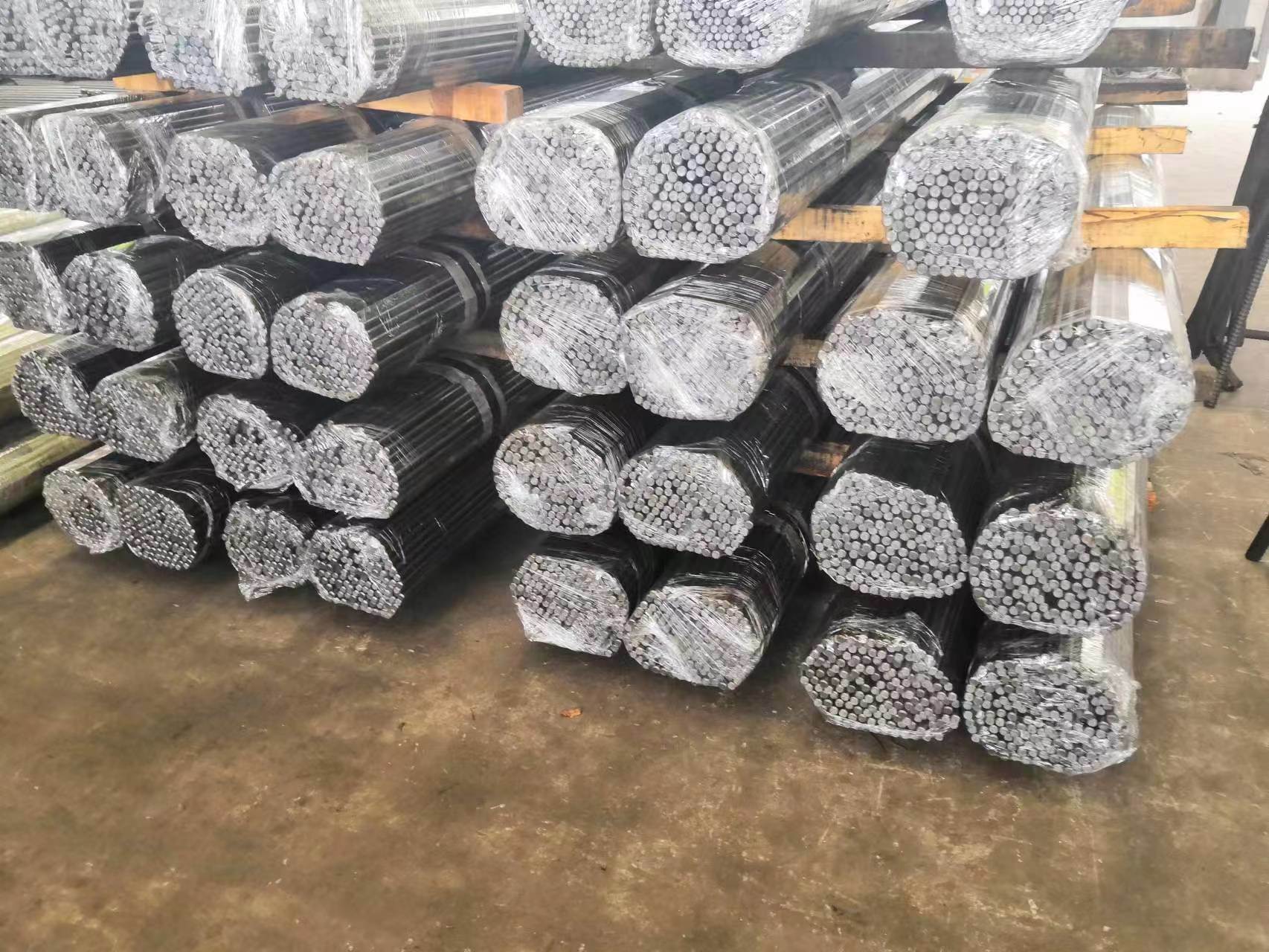
- Packing: define bundle weight, corrosion protection, labels and shipping marks.
5. Link the Specification to the Final Application
The application helps the factory identify missing requirements. A bar for Swiss-type machining may prioritize feeding consistency and machinability. A flat bar for an armoured joint may require width, thickness, straightness, cutting and welding-related checks. A custom rail blank may need functional faces and later grinding allowance.
Application information does not authorize the supplier to guess. It is a review signal; the drawing and purchase specification remain the controlled requirements.
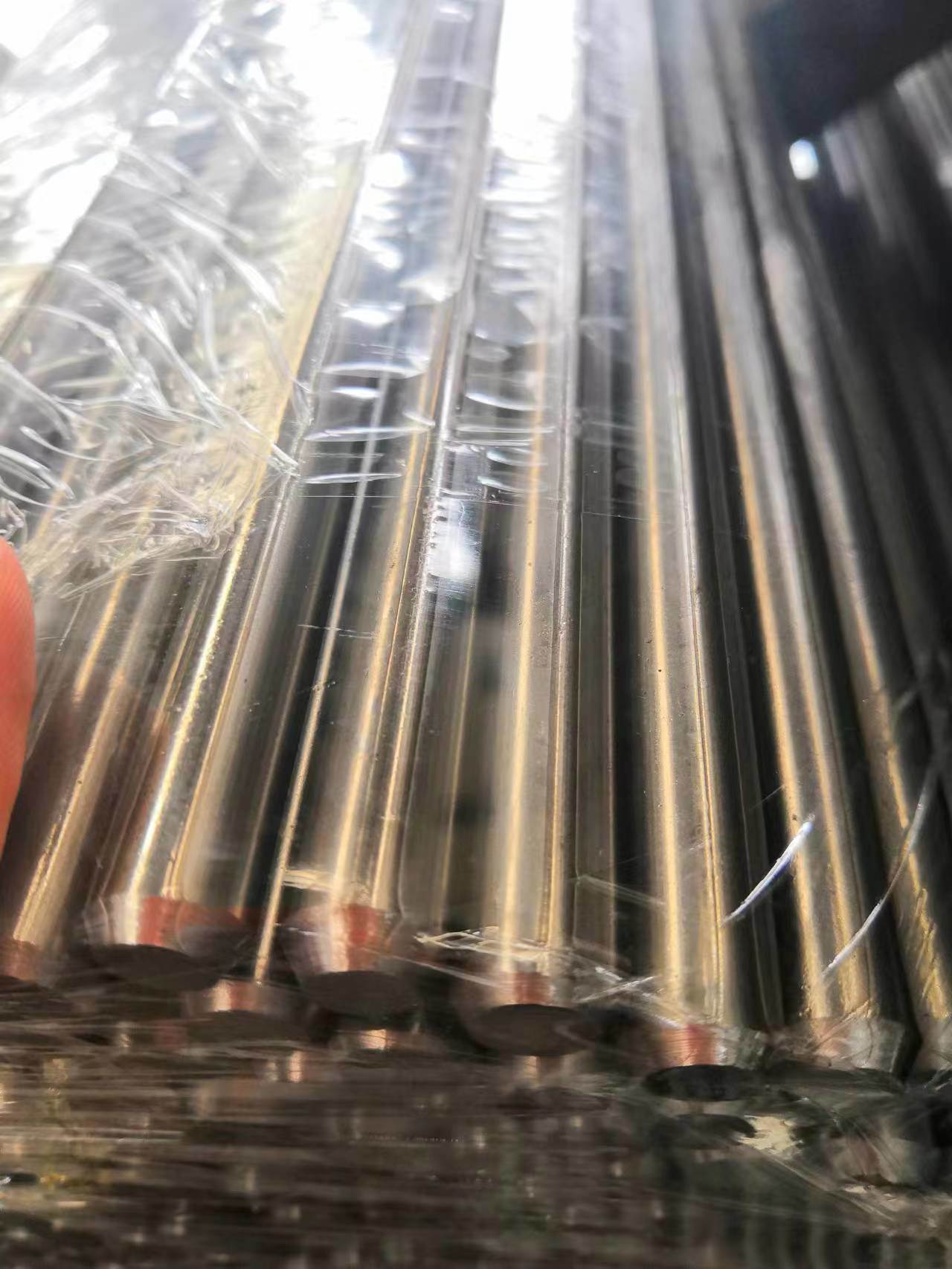
Representative Product and Packing Evidence
Buyer Checklist Before Requesting a Quotation
- Grade, governing standard and required edition.
- Section and finished dimensions.
- Tolerance class or explicit upper/lower size limits.
- Straightness, twist, radius, edge and functional-surface requirements.
- Random/fixed length, length tolerance and end preparation.
- Surface, anti-rust protection and secondary processing.
- Trial quantity, annual demand and quantity per size.
- Final application and downstream machining/forming route.
- MTC, traceability, test report and third-party inspection requirements.
- Destination, packing and delivery term.
Frequently Asked Questions
Is nominal bar size enough for a quotation?
No. State the grade and standard, finished size, tolerance, form requirements, length, quantity, application and inspection documents.
Does a diameter tolerance also control straightness?
No. Size tolerance and straightness are separate requirements. State the straightness limit, reference length and inspection method independently.
Can I request an ISO tolerance class without naming a product standard?
The tolerance class should be tied to the controlled feature, nominal size and applicable product or drawing requirement. ISO 286 terminology alone is not a complete cold drawn steel bar purchase specification.
Can Junxiong provide fixed-length bars?
Fixed-length supply can be reviewed. State the finished length, tolerance, end condition, quantity, packing and downstream use.
Should equivalent international grades be treated as identical?
No. Similar grade names help route an enquiry, but final acceptance must follow the ordered standard, chemistry, required properties, processing route and MTC.
Send a Controlled RFQ for Feasibility Review
Send the drawing or purchase specification together with grade, standard, dimensions, tolerance, straightness, length, quantity, application, documents and destination. PDF drawings can be sent by email or WhatsApp; DWG/DXF files can be emailed for review.
Send RFQ details by WhatsApp, email the drawing, or use the contact page.
Learn more about Junxiong Metal and review the related cold drawn steel bar supply overview.