
How to Specify Cold Drawn Steel Bars for Swiss-Type CNC Machining
Short Answer
A Swiss-type CNC or sliding-head lathe material RFQ should specify more than a steel grade and diameter. The buyer should state the governing standard, bar shape, dimensional tolerance, straightness, ovality or across-flats control, surface condition, bar length, end condition, inspection records, annual demand and destination. These inputs affect guide-bushing stability, bar feeding, runout, tool life, chip control and finished-part consistency.
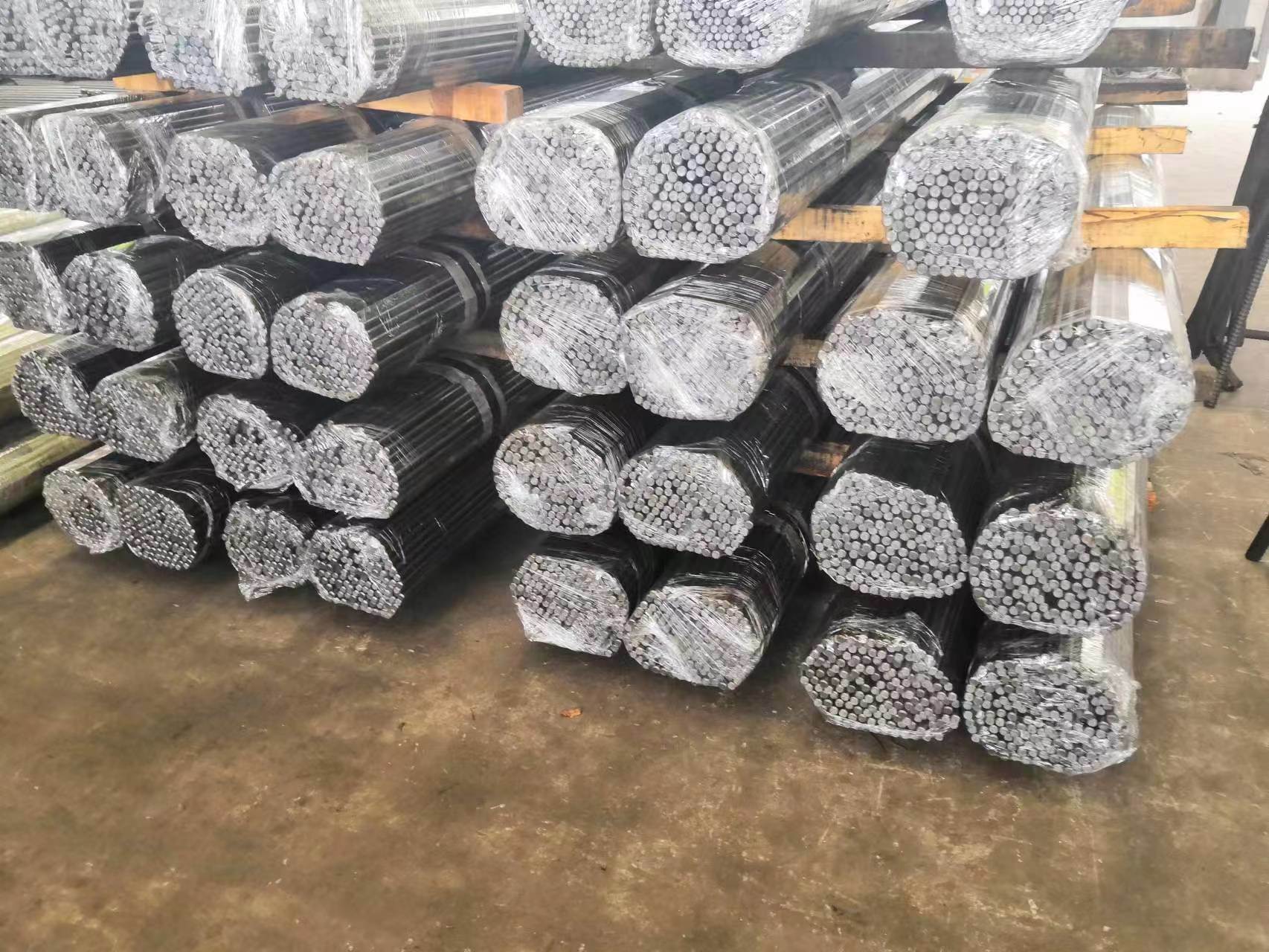
Why Is Swiss-Type Bar Stock Different From a General Steel Bar Inquiry?
In a Swiss-type machine, the stock moves through a guide bushing close to the cutting zone. A bar can have the correct nominal diameter and still create feeding, vibration or dimensional problems when straightness, ovality, surface condition or local size variation is not controlled. The material specification therefore needs to match the machine, bar feeder, guide bushing and finished-part drawing.
Which Steel Families Are Commonly Requested?
| Purchasing intent | Common search families | Buyer decision |
|---|---|---|
| Non-leaded free-machining carbon steel | 1215, 11SMn30, 1.0715, SUM23 | Confirm one governing standard and required chemistry |
| Leaded free-machining carbon steel | 12L14, 11SMnPb30, 1.0718, SUM24L | Confirm lead acceptance and destination or end-use restrictions |
| Free-machining stainless steel | 303, 430F, SUS430F, 1.4104, 416 | Confirm corrosion, magnetic, strength and machining requirements |
| Part-specific carbon or alloy steel | Buyer drawing or customer specification | Review heat treatment, forming, coating and service requirements |
These names describe search and sourcing routes, not automatic equivalents. See the free-machining steel designation comparison before approving a cross-standard alternative.
Which Bar Shapes Can Be Used?
- Round bar: common for pins, shafts, bushings, threaded parts, fittings and turned components.
- Hexagonal bar: useful when the finished part needs wrench flats or reduced milling.
- Square or flat bar: possible for suitable machining programs, but feeding and workholding must match the selected machine setup.
- Custom solid profile: may reduce machining stock when the annual demand supports drawing-based feasibility and tooling review.
Which Dimensional Details Belong in the RFQ?
- Nominal size: diameter, across-flats dimension, square side, or full section drawing.
- Tolerance: state the accepted plus and minus limits, not only a commercial tolerance class name.
- Form control: include ovality, squareness or corner-radius requirements where they affect the part.
- Straightness: define the measurement length, method and acceptance limit.
- Surface: identify defect limits, rust-prevention condition and any downstream coating or plating requirement.
- Length: specify bar length, length tolerance and whether random length is prohibited.
- Ends: state saw-cut, chamfer, facing or burr limits if the bar feeder requires them.
How Should Straightness Be Specified?
A statement such as “good straightness” cannot be inspected consistently. State the maximum deviation over a defined measurement length, the support or measurement method and whether the requirement applies to every bar or a sampling plan. The machine builder or bar-feeder supplier may also define practical stock limits for the specific setup.
What Should Be Confirmed About the Surface?
Cold drawing improves dimensional consistency and surface finish compared with hot-rolled feedstock, but it does not eliminate the need for an agreed surface acceptance rule. Buyers should identify which seams, laps, pits, scale, rust, decarburization or handling marks are unacceptable for the finished component. If centerless grinding or another finishing route is required, name it explicitly.
Why Do Bar Length and End Condition Matter?
Bar length affects the feeder, floor space, transport packing and remnant rate. End burrs, bent ends or an unsuitable chamfer can interfere with loading and guide-bushing entry. State the usable length, allowed end loss and any end preparation. The supplier should not guess these values from the machine model alone.
Which Inspection and Traceability Records Should Be Requested?
- Order-specific material certificate or agreed chemical record
- Dimensional and straightness inspection results
- Mechanical property or hardness records when required
- Heat or batch identification and bundle marking
- Special surface or third-party test reports when agreed before production
A company ISO certificate supports a quality management system; it does not prove the grade, size or inspection result of an individual heat. Order evidence must remain tied to the purchase specification and traceability records.
Technical Facts
- Machine interface: stock dimensions, straightness, surface and end condition must suit the bar feeder and guide bushing.
- Carbon steel sourcing: 1215 / 11SMn30 / 1.0715 / SUM23 and 12L14 / 11SMnPb30 / 1.0718 / SUM24L are separate standard routes, not automatic equivalents.
- Stainless sourcing: 303, 430F, SUS430F, 1.4104 and 416 require grade-specific corrosion, magnetic and machining review.
- Bar forms: round and hexagonal are common; square, flat or custom solid profiles require machine-specific feasibility review.
- Inspection scope: agree size, straightness, surface, length, ends, traceability and required records before trial production.
Material and Cold-Finished Bar Reference Routes
- SAE J403_202402: an SAE source for carbon-steel chemistry designations when an SAE grade is ordered.
- ASTM A108-24: the active ASTM product specification for carbon and alloy cold-finished steel bars.
- BS EN 10277:2018: technical delivery conditions for bright steel products under an EN route.
- ASTM A582/A582M-22: the ASTM route for hot- or cold-finished free-machining stainless steel bars.
Machining boundary: these sources identify possible material and product routes; they do not guarantee chip control, spindle speed, tool life, bar-feeder stability or finished-part capability on a buyer’s machine. Confirm the exact grade standard, diameter and tolerance, straightness, surface, length, end condition, MTC and trial-lot acceptance criteria before series production.
Buyer Checklist Before Trial Production
- Machine and bar-feeder stock limits checked
- Guide-bushing and finished-part size relationship reviewed
- Governing material standard and grade approved
- Lead restrictions reviewed for destination and end use
- Size, straightness, surface, length and end requirements measurable
- Trial quantity separated from forecast annual demand
- Inspection documents and acceptance process agreed
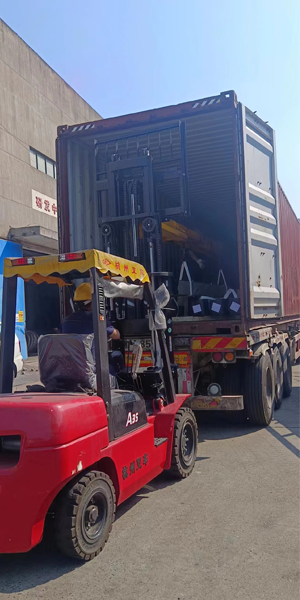
- Packing, bundle weight, rust prevention and labels defined
Frequently Asked Questions
Is 12L14 always the fastest-machining choice?
No. Cycle time is only one selection factor. Lead restrictions, part strength, thread or forming operations, surface treatment and service environment also matter.
Can cold drawn bar be loaded directly into the machine?
Only after the received size, straightness, surface, length and ends are checked against the machine setup and purchase specification.
Can one tolerance be used for every diameter?
No assumption should be made. The required limits depend on section size, process route, machine setup and finished-part requirement.
Can Junxiong review a trial bar order?
Yes. State the trial quantity and forecast annual demand separately, and send the complete material and dimensional requirements for feasibility review.
Request a Swiss-Type Machining Bar Review
Send the standard, grade, bar shape, dimensions, tolerance, straightness, surface, length, end condition, trial quantity, annual demand, destination country and required inspection documents.
- Cold drawn round steel bar
- Cold drawn hexagonal steel bar
- 1215 and 12L14 free-cutting cold drawn bars
- Compare 430F, 430 and 416 before specifying stainless bar
- 430F, SUS430F and 1.4104 free-machining stainless bars
Email: weiweichen@junxiongmetal.com
WhatsApp: +86 137 7146 9005
Request a quotation or drawing review